Xiaomi 18 Pro and Pro Max Launch Globally with Dual 200MP Cameras and Rear Display
Xiaomi 18 Pro and 18 Pro Max Launch Globally with Dual 200MP Cameras and Rear Display
Xiaomi has officially introduced its latest flagship smartphones, the Xiaomi 18 Pro and Xiaomi 18 Pro Max, to the global market. In Europe, the Xiaomi 18 Pro starts at €1,399, while the larger Pro Max model is priced from €1,599. Both smartphones feature a secondary display on the back, a privacy display designed to protect on-screen content from nearby viewers, two 200-megapixel Leica cameras and Qualcomm’s latest Snapdragon processor.
The Chinese smartphone manufacturer unveiled the two devices globally on Tuesday. Both models were initially launched in China in September and have now arrived in several international markets following a launch event in Paris. Customers in Europe and other selected regions can purchase the phones through Xiaomi’s official online store.
This launch is particularly notable because it marks the first time in several years that Xiaomi has made its Pro-series flagship smartphones available outside China. The company is expanding the availability of these premium devices to compete in the international flagship smartphone market.
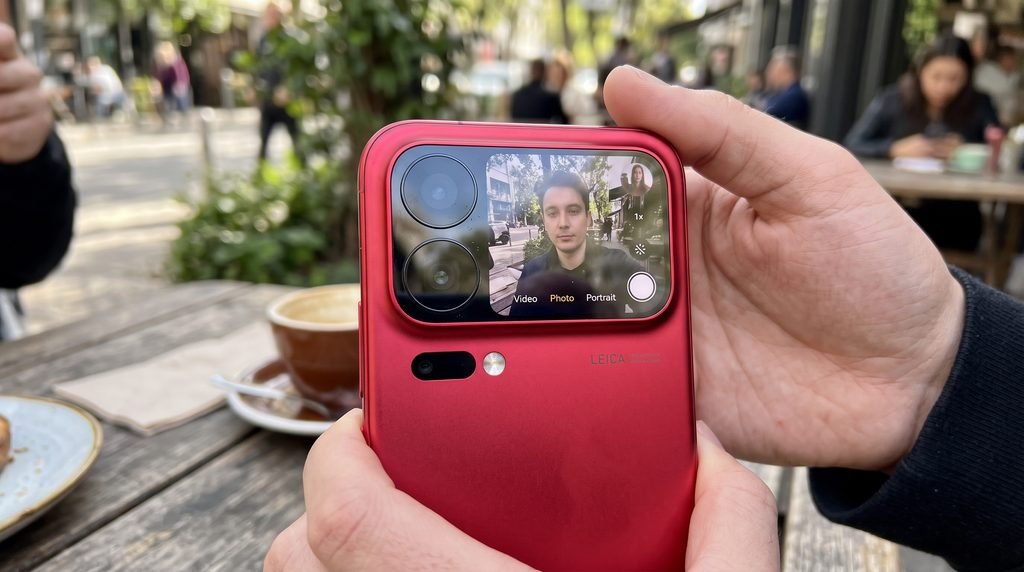
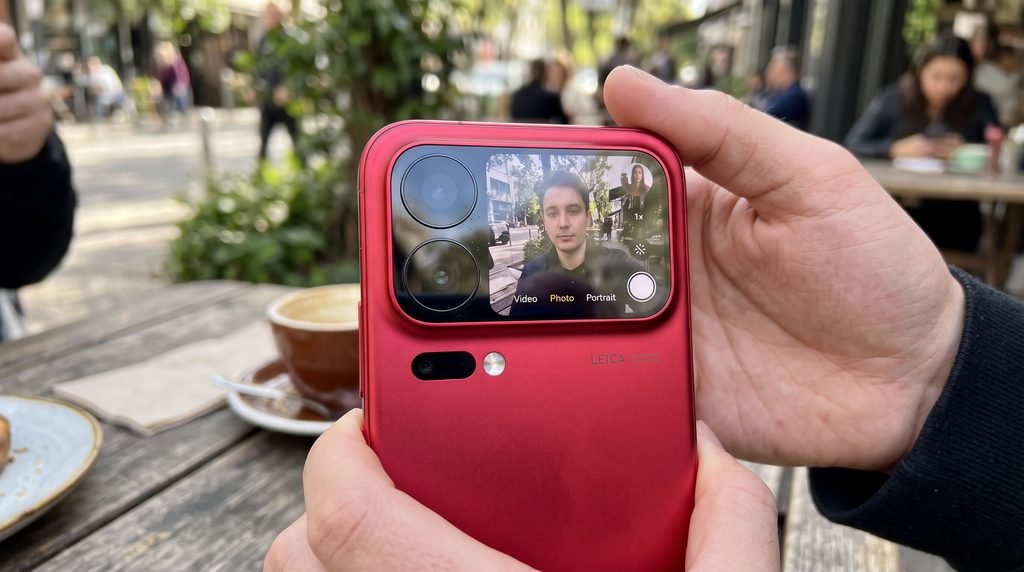
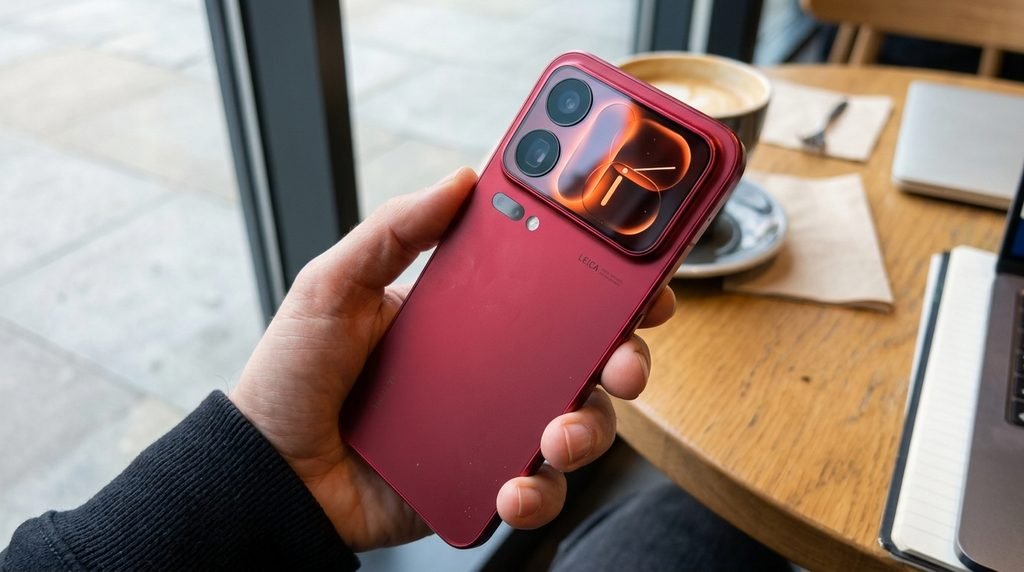
One of the most distinctive features of the Xiaomi 18 Pro series is the secondary screen positioned on the rear panel alongside the camera system. This additional display provides users with another way to interact with their phones without always needing to use the main screen. It also adds a different design element to the devices.
Another major addition is the privacy display, which is being introduced to Xiaomi’s flagship smartphones for the first time. This feature is designed to limit the visibility of screen content from people sitting nearby. It could be particularly useful when checking private messages, viewing personal information or using a phone in crowded public places.
Photography is another major focus of the new models. Both smartphones include two 200-megapixel cameras developed in collaboration with German camera manufacturer Leica. The partnership aims to combine Xiaomi’s smartphone technology with Leica’s experience in camera imaging.
Xiaomi 18 Pro and Pro Max Prices
In Europe, the Xiaomi 18 Pro with 12GB of RAM and 256GB of internal storage starts at €1,399. Customers who need additional space can choose the 512GB version, which costs €1,599.
The larger Xiaomi 18 Pro Max is priced at €1,599 for the 256GB model and €1,799 for the 512GB version. A higher-end configuration featuring 16GB of RAM and 1TB of storage is also planned, with a price of €2,099.
According to Tech Advisor, UK pricing starts at £1,199 for the Xiaomi 18 Pro and £1,399 for the Xiaomi 18 Pro Max.
With their rear displays, privacy technology and dual 200-megapixel cameras, the new smartphones bring several features aimed at users looking for premium hardware and advanced photography capabilities.
Interestingly, the 512GB version of the Xiaomi 18 Pro and the 256GB version of the Xiaomi 18 Pro Max are available at the same price. This means buyers will need to decide whether they prefer more internal storage or the larger display offered by the Pro Max model.
Both smartphones are available in four colour options: Black, White, Cosmic Blue and Velvet Red. However, the devices are not being sold in the United States. Xiaomi has also not yet announced their launch plans or official pricing for Pakistan, leaving local buyers waiting for further details about their availability.
Two Displays with Brightness of Up to 4,000 Nits
The Xiaomi 18 Pro features a 6.4-inch AMOLED display, while the larger 18 Pro Max comes with a 6.9-inch AMOLED screen. Both displays use LTPO technology and support adaptive refresh rates ranging from 1Hz to 120Hz. Their peak brightness reaches up to 4,000 nits, helping users view content clearly even in bright outdoor conditions.
Another notable design detail is the extremely thin bezel surrounding the display. Xiaomi says the border measures just 0.99mm, making it the thinnest bezel the company has used on its smartphones so far. This design gives both devices a more immersive appearance by allowing the screen to occupy more of the front panel.
The privacy display can be switched on or off using a new AI button located on the left side of the phone. Users can also configure the feature to work only with selected applications or notifications, giving them greater control over which information remains private.
According to Xiaomi, the technology works by turning off regular display pixels while keeping specially designed narrow-viewing-angle pixels active. As a result, people sitting beside the phone’s owner cannot easily see the content displayed on the screen. This feature could be especially useful when using a smartphone on public transport, in offices or in crowded places.
The front-facing camera adds another layer of privacy protection. It can detect when another person appears to be looking at the screen and alert the user. This allows smartphone owners to become aware of people attempting to view their private information.
A similar privacy display feature was also introduced in Samsung’s Galaxy S26 Ultra this year, showing how smartphone manufacturers are increasingly focusing on protecting users’ screen content and personal information.
What Is the Rear Display Used For?
The camera island on the Xiaomi 18 Pro includes an additional 2.7-inch AMOLED display, while the Pro Max features a slightly larger 2.9-inch screen. Both secondary displays support a 120Hz refresh rate and offer peak brightness of up to 4,000 nits.
One of the most useful functions of this rear display is taking selfies with the main camera. Users can see their reflection on the secondary screen while capturing photos, making it easier to frame shots and take higher-quality selfies using the phone’s primary camera system.
The display can also show notifications, AI-powered conversation translations, music controls and maps. It supports several popular applications, including Google Maps, Spotify, YouTube Music and Gemini Live. This allows users to access selected information and functions without constantly switching to the main display.
Another practical feature is the ability to place QR codes and boarding passes on the rear screen. This could make travelling and everyday activities more convenient, as users can quickly access important information without opening multiple applications.
Create Custom Apps with Generative AI
Xiaomi has also introduced a feature called Gen AI Apps for the secondary display. It allows users to create small, personalized applications by giving instructions in everyday language rather than writing code.
For example, users can describe the type of tool or information they want to display, and the system can help create a suitable mini-app for the rear screen. Xiaomi has also provided more than 50 ready-made templates to help users get started.
This feature gives the secondary display more flexibility than a traditional notification screen. Instead of being limited to showing alerts or camera previews, it can become a useful space for personalized tools and everyday shortcuts.
Cameras and Processors
Both smartphones feature a triple-camera system on the rear. The primary camera uses a 200-megapixel sensor measuring 1/1.28 inches, designed to capture detailed images in different lighting conditions. The second camera is a 200-megapixel periscope telephoto lens that supports 3.2x optical zoom, allowing users to photograph distant subjects with greater clarity. The third camera is a 50-megapixel ultra-wide lens, which is useful for capturing landscapes, group photos and wider scenes.
For selfies and video calls, both models include a 50-megapixel front-facing camera. However, there is an important difference between their main camera systems. The Xiaomi 18 Pro Max features LOFIC technology in its primary sensor, helping preserve more details in scenes containing both bright highlights and dark areas. The standard Xiaomi 18 Pro does not include this technology.
Another design detail is the camera arrangement. Xiaomi has positioned the camera lenses almost level with the rear glass, rather than allowing them to protrude significantly from the phone’s body. This creates a cleaner appearance and gives the rear panel a more uniform finish.
In terms of performance, the Xiaomi 18 Pro is powered by Qualcomm’s Snapdragon 8 Elite Gen 6 processor, while the Pro Max uses the more powerful Snapdragon 8 Elite Extreme Gen 6 chipset. Both processors are built using advanced 2-nanometre technology and can reach clock speeds of up to 5GHz.
The smartphones run HyperOS 4, based on Android 17. Buyers will also receive three months of Google AI Pro access along with 5TB of cloud storage. Both devices carry an IP68 rating for protection against dust and water, providing additional durability for everyday use.
Global Models Have Smaller Batteries Than Chinese Versions
One of the main differences between the global and Chinese versions of the Xiaomi 18 series is battery capacity. The international Xiaomi 18 Pro Max comes with a 7,050mAh battery, compared with the larger 8,500mAh battery available in its Chinese version.
The difference is also noticeable in the standard Pro model. Its global version features a 6,000mAh battery, which is 1,000mAh smaller than the Chinese model. This reduction in battery capacity may be an important consideration for buyers who prefer longer battery life.
Despite the smaller batteries, both smartphones support fast charging. The Xiaomi 18 Pro Max offers 100W wired charging, while the standard 18 Pro supports 90W wired charging. Both models also include 50W wireless charging.
According to Xiaomi’s official website, a charger is not included in the retail box. Buyers may therefore need to purchase a compatible charging adapter separately if they do not already own one.
Global Pricing and Competition
According to Android Authority, the Xiaomi 18 Pro Max is priced in Europe at a level similar to the Vivo X500 Pro Max, while it costs slightly less than the Oppo Find X10 Pro Max. This places Xiaomi’s latest flagship among premium smartphones competing for buyers in the high-end market.
The rising cost of memory chips is also creating challenges for smartphone manufacturers. With component prices increasing, companies are facing higher production expenses and passing some of these additional costs on to consumers.
For Pakistani smartphone buyers, the main question is when Xiaomi will officially introduce the 18 Pro and 18 Pro Max in the local market and how much the devices will cost. Until the company announces local availability and official prices, customers will have to wait for further details.
Web News · General information and reporting. Please consult linked primary sources for further details.