Germany Plans New Legislation for Driverless Cars
Germany Plans Legislation for Driverless and Autonomous Cars
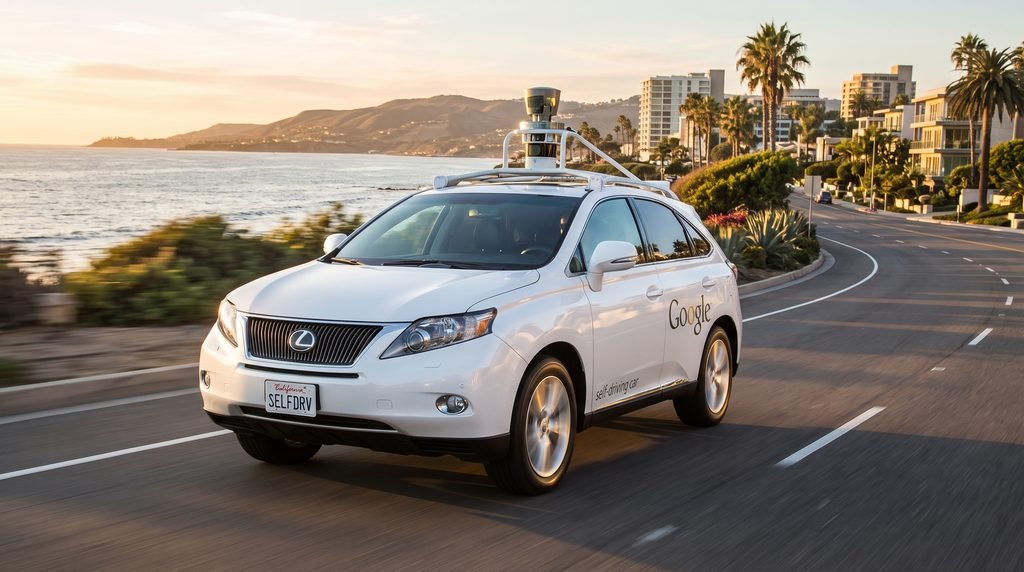
Driverless and robot-controlled cars could become a common sight on roads by 2020. Several companies, along with Google and the German government, are working to develop autonomous vehicles. Germany is also seeking to advance its position in this emerging field.
Although driverless cars are expected to appear by 2020, Germany’s Transport Minister plans to introduce legal guidelines for their use on the country’s Autobahns. These highways form a major part of Germany’s motorway network and are managed by the federal government.
Transport Minister Alexander Dobrindt has said that autonomous vehicles are expected to play an important role on German roads in the future. He believes it is therefore necessary to introduce clear rules and regulations for their operation. A government-appointed committee is expected to submit its recommendations on the proposed legislation before the Frankfurt Motor Show, scheduled for September.
Under the existing rules, fully driverless vehicles cannot legally operate on German roads. Germany is among the 72 countries that signed the 1968 Vienna Convention on Road Traffic. As autonomous driving technology develops, lawmakers must address several important questions.
For example, who would be legally responsible if a driverless or robot-controlled car caused an accident? What type of insurance would such vehicles require? Would they need special licences, and how would existing driving regulations apply to them? These are among the issues the German government will need to consider when preparing the new legislation.
German car manufacturers have already demonstrated progress in autonomous vehicle technology. In 2014, Mercedes-Benz presented its Future Truck 2025 concept, a vehicle designed to travel at speeds of up to 80 kilometres per hour.
Audi has also introduced an autonomous prototype based on its RS7 model for Formula One-related testing demonstrations. The vehicle featured a 560-horsepower engine and had been tested at speeds of up to 240 kilometres per hour.
These developments show how manufacturers are exploring automated driving technology for both passenger cars and commercial vehicles. Germany’s proposed legal framework aims to address the regulatory questions surrounding the use of such vehicles on public roads.
Germany Plans Legislation for Driverless and Autonomous Cars
Driverless cars and robot-controlled vehicles are becoming an important part of the future of the automobile industry. Several major technology companies and car manufacturers are investing in autonomous driving systems. Google and German automotive companies are among those working to develop vehicles that can travel without direct human control. Germany is also preparing to introduce regulations to support the safe use of this technology on public roads.
According to the original plans, driverless cars were expected to become available around 2020. However, the German government wanted to establish a legal framework before these vehicles became more common. The country’s Transport Minister planned to introduce guidelines for autonomous cars travelling on the Autobahns, Germany’s motorway network, which is managed by the federal government.
Transport Minister Alexander Dobrindt said that autonomous vehicles would play an increasingly important role on German roads. He highlighted the need for clear rules to ensure that the technology could be used safely and responsibly. A government-appointed committee was expected to submit its recommendations on the proposed legislation before the Frankfurt Motor Show, scheduled for September.
Legal Challenges for Autonomous Vehicles
At the time, existing German traffic regulations did not allow fully driverless vehicles to operate freely on public roads. Germany had signed the 1968 Vienna Convention on Road Traffic, along with 72 other countries. The convention established international rules concerning road safety and the responsibilities of drivers.
The introduction of autonomous vehicles raised several legal questions that lawmakers needed to address. One of the biggest concerns was responsibility in the event of an accident. If a vehicle operating through an automated system caused a collision, would the manufacturer, software developer, vehicle owner or another party be held responsible?
Insurance was another important issue. Traditional car insurance policies are generally designed around human drivers, but autonomous vehicles introduce new risks involving software, sensors and automated control systems. Authorities would also need to consider whether these vehicles required special licences, additional safety checks or separate operating permissions.
These questions made legislation an important part of Germany’s plans for autonomous driving. Clear regulations could help manufacturers understand their legal responsibilities while giving the public greater confidence in the technology.
German Car Manufacturers Develop Autonomous Technology
German manufacturers had already started demonstrating the potential of automated driving. In 2014, Mercedes-Benz presented its Future Truck 2025 concept. The truck was designed with autonomous driving technology and could travel at speeds of up to 80 kilometres per hour. The project showed how driverless systems could eventually be used in commercial transport, including long-distance freight operations.
Audi also explored autonomous driving through a prototype based on its RS7 model. The vehicle featured a powerful 560-horsepower engine and had been tested at speeds of up to 240 kilometres per hour. Its development demonstrated how automated systems could be tested in high-performance vehicles under controlled conditions.
The Future of Driverless Cars in Germany
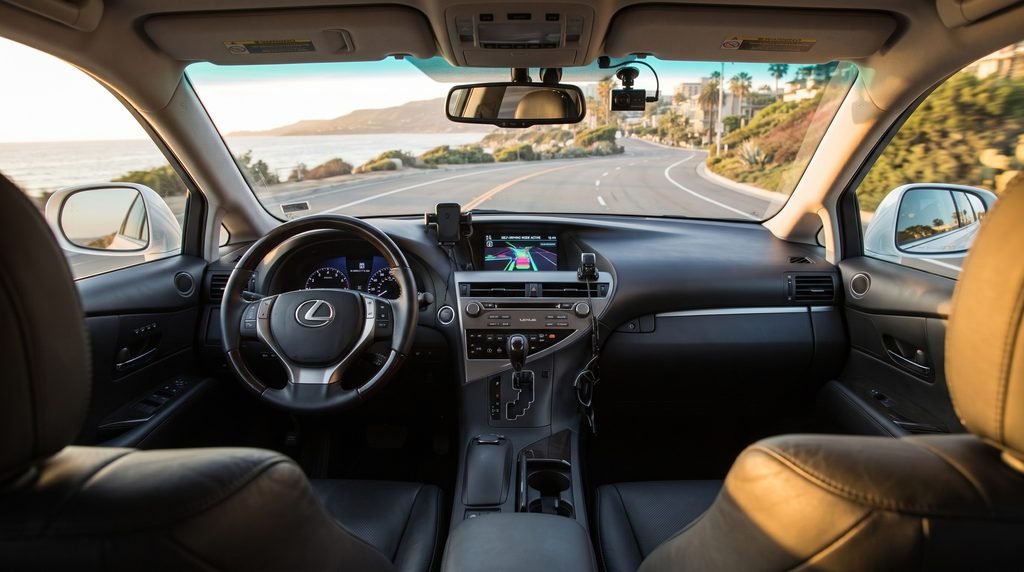
Autonomous driving technology has the potential to change the way people travel. Supporters expect it to help reduce certain types of human driving errors, improve transport efficiency and make long journeys more convenient. Commercial vehicles could also benefit from automated systems that assist drivers during motorway travel.
However, technology alone cannot make driverless cars suitable for everyday use. Reliable software, accurate sensors, road infrastructure and clear legal responsibilities are all necessary. Governments must also consider how these vehicles will interact with ordinary cars, pedestrians and cyclists.
Germany’s proposed legislation was intended to address these challenges and prepare the country’s road network for a new generation of vehicles. The development of driverless cars would depend not only on engineering progress but also on public safety, legal standards and cooperation between manufacturers and government authorities.
Web News · General information and reporting. Please consult linked primary sources for further details.